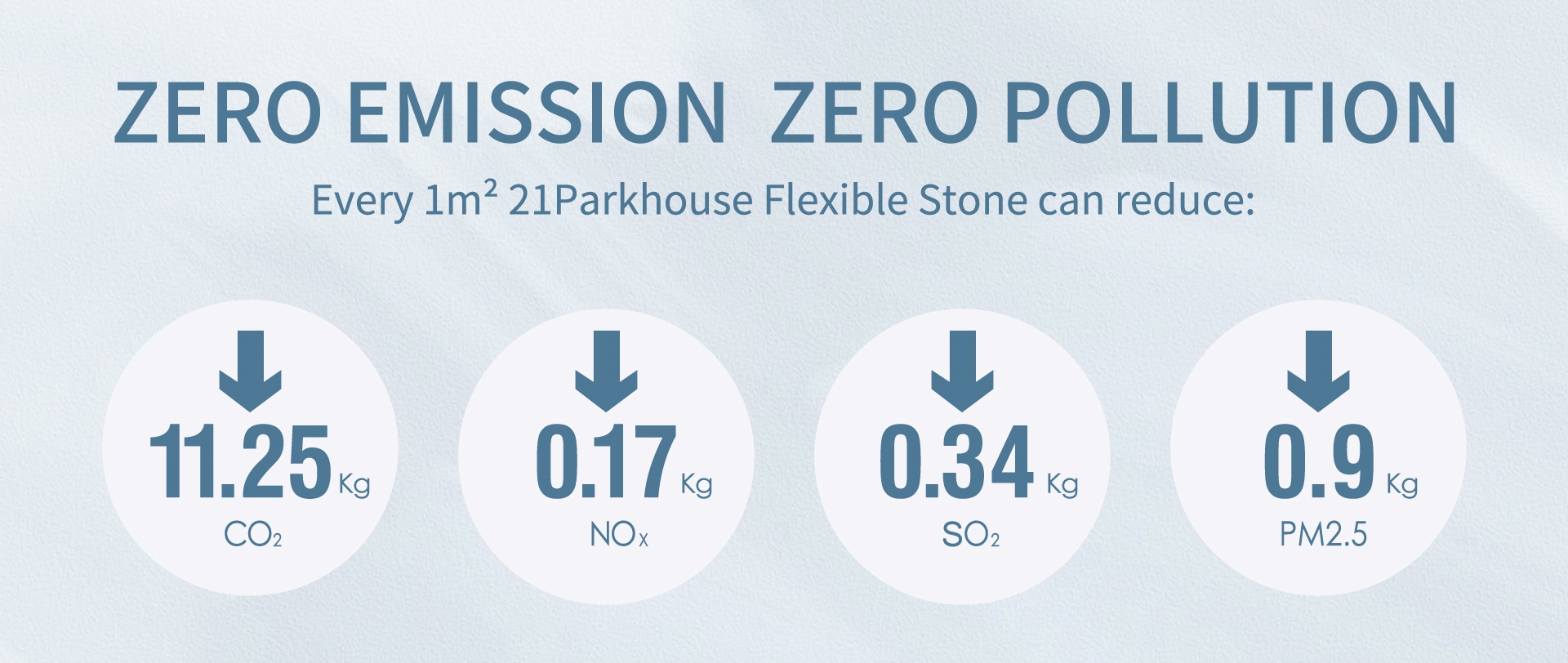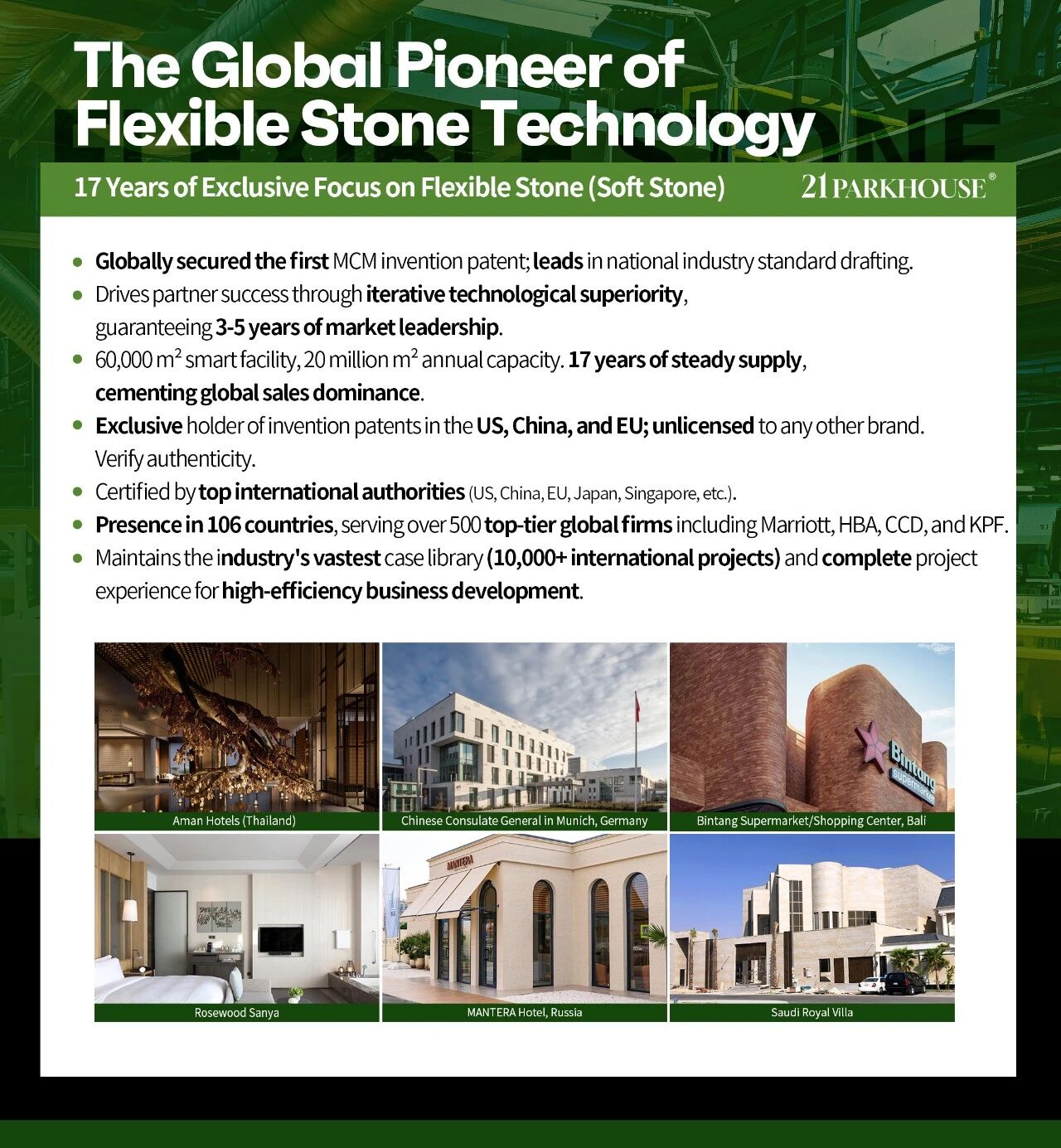

For decision-makers in the European construction industry, "carbon emissions" are no longer just a corporate social responsibility slogan—they are a critical financial metric. With the phased implementation of the EU Carbon Border Adjustment Mechanism (CBAM), also known as the "Carbon Tax," the rules of the game have changed. Starting in 2026, the Embodied Carbon of building materials—emissions generated during extraction, production, and transportation—will translate directly into import tax costs. For industries traditionally reliant on energy-intensive raw materials like natural stone, ceramics, and cement, this represents a seismic shift in project economics. Architects and developers now face a daunting challenge: How can they maintain their design vision and high-end material textures while finding a green material that is tax-compliant and future-ready? 21-Parkhouse has the answer. By reinventing the physical properties and production lifecycle of architectural surfaces, we provide you with a "Green Pass" for the zero-carbon era.
Natural stones like marble and granite have long been the gold standard for high-end projects. However, in the age of CBAM, they are becoming "hidden budget killers":
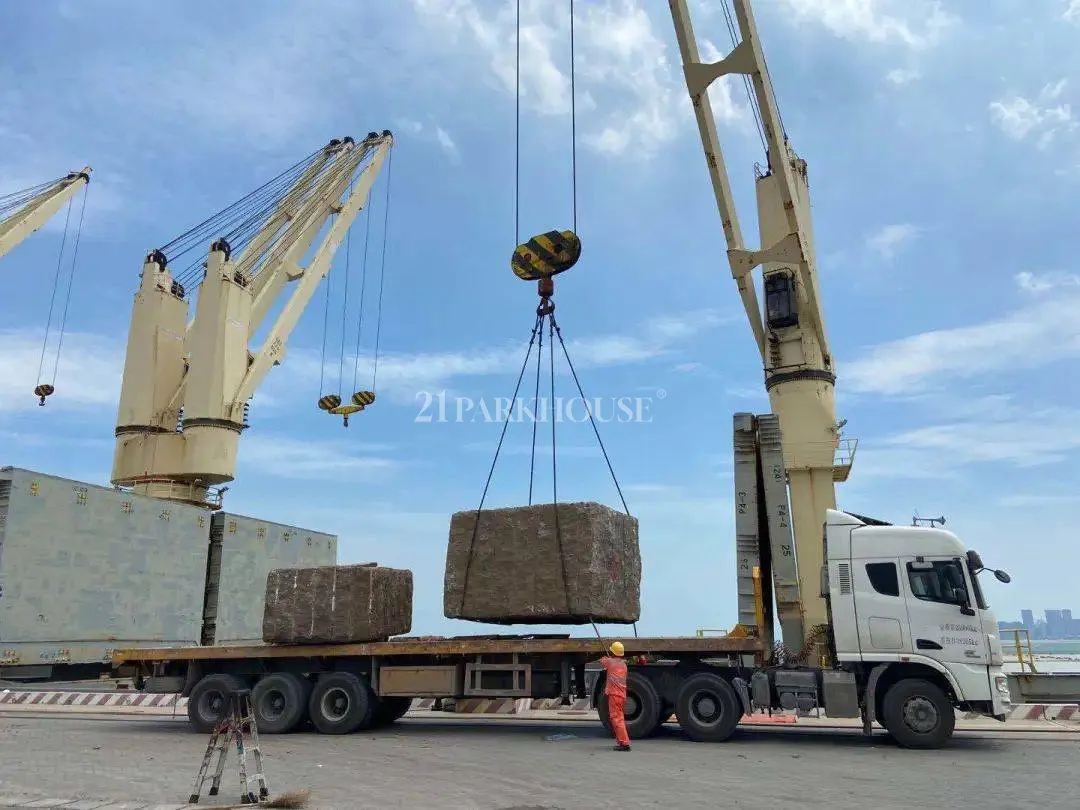
1.Energy-Intensive Extraction & Processing: Traditional stone requires heavy machinery for quarrying and high-pressure water cutting/polishing, consuming massive amounts of electricity and non-renewable energy.
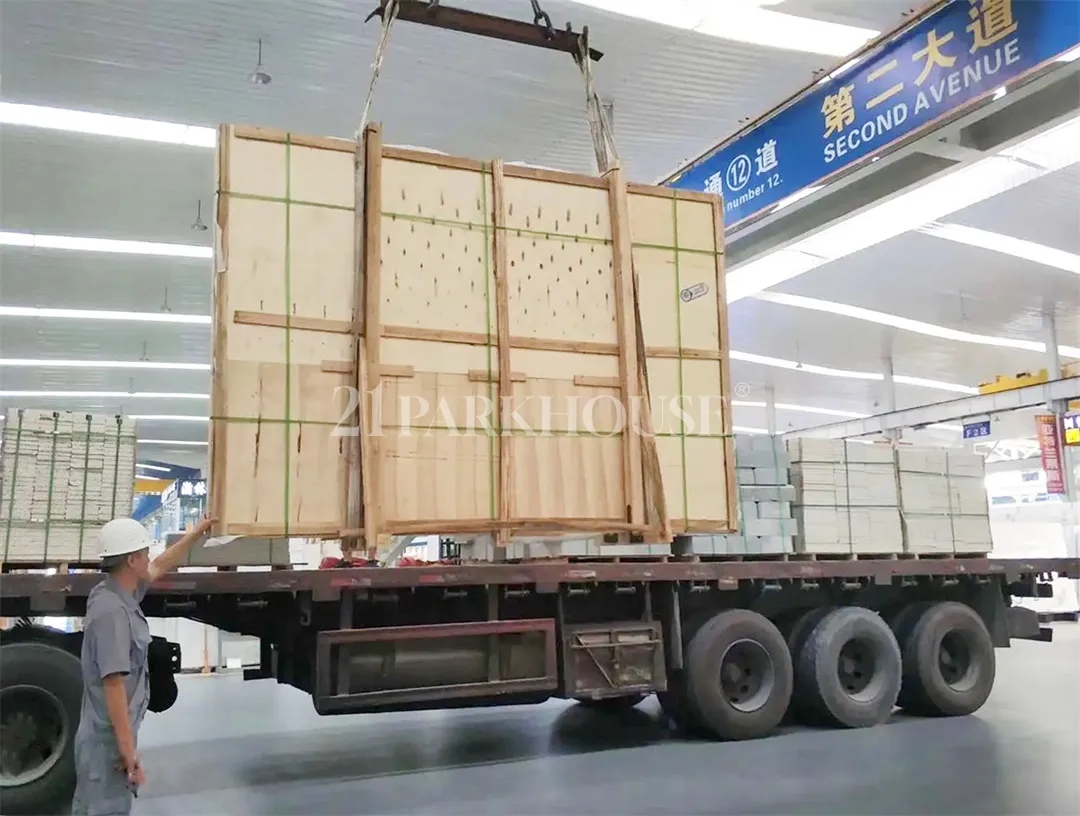
2.A Massive Transport Carbon Footprint: Weighing 50–60kg/㎡, traditional stone is incredibly heavy. Shipping these materials across borders requires significant container space and results in high maritime carbon emissions.
3.High Material Waste: The cutting and shaping process often results in over 50% of the raw material becoming waste, which not only squanders resources but also adds to the project’s waste-disposal carbon footprint.
Under CBAM regulations, every unit of carbon footprint exceeding the threshold means higher costs paid into the EU customs system.
At 21-Parkhouse, we aren't just improving traditional materials; we are disrupting them. Our Flexible Stone leverages three core technologies to help clients solve CBAM compliance issues right at the project's inception:
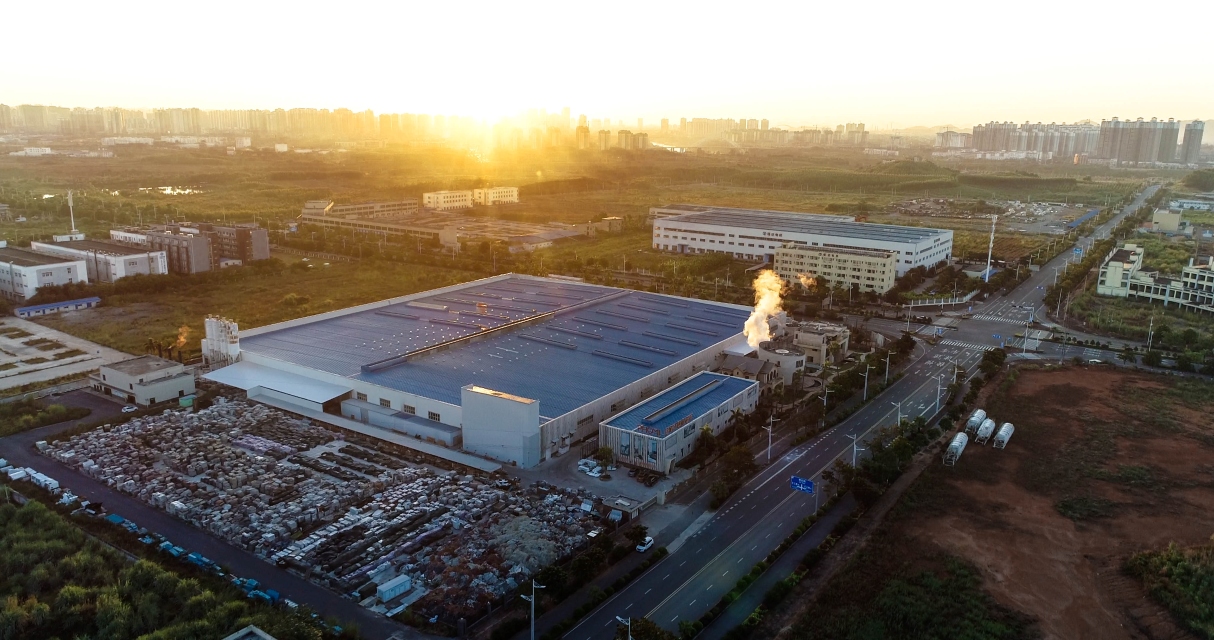
1. PV-Powered Robotic Factory — Decarbonization at the Source
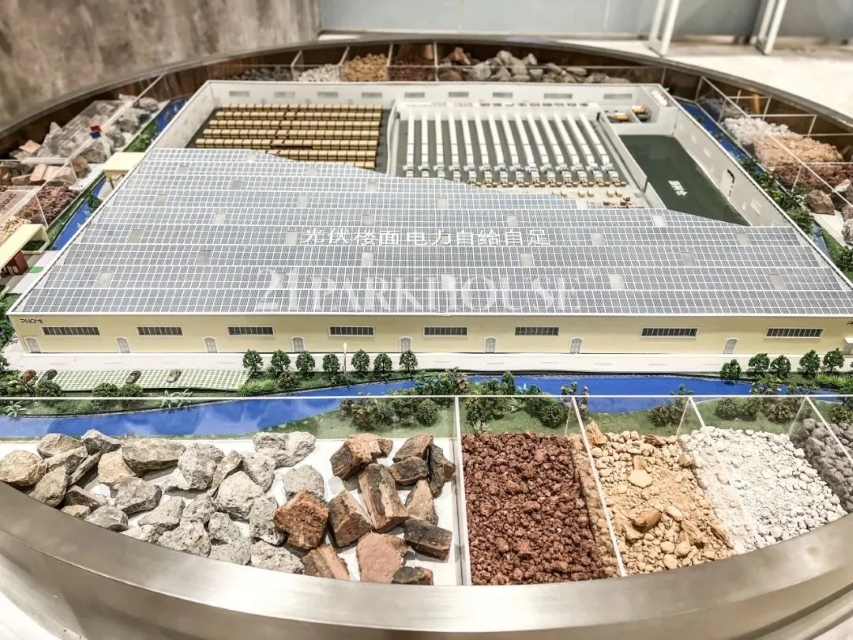
We believe green materials must come from green factories. Our core production facility is fully powered by Photovoltaic (PV) clean energy. Our high-precision robotics execute the thermal-controlled pressing process, ensuring every watt of electricity comes from the sun. This results in an ultra-low emission baseline for your CBAM carbon accounting.
2. Zero-Waste 3D Printing — Efficiency Meets Low Impact
Unlike the "subtractive" cutting of traditional stone, we utilize advanced 3D printing technology for "additive" manufacturing. We can print materials precisely according to design specifications—even for complex double-curved surfaces. This achieves nearly zero material waste, drastically reducing the carbon emission intensity per square meter.
3. 100% Recyclable Composition — Embracing the Circular Economy
By perfectly blending natural mineral powder with eco-friendly polymers, our Flexible Stone is 100% recyclable at the end of its lifecycle. This not only meets the highest European standards for the circular economy but also allows clients to gain "carbon credits" for sustainable waste management during future deconstruction.
Let’s look at what choosing 21-Parkhouse means for your project’s bottom line:
| Metric | Traditional Stone (2cm) | 21-Parkhouse Flexible Stone |
| Average Weight | 50–60kg/㎡ | ~4kg/㎡ |
| Logistics Carbon Footprint | High (Limited loading per container) | Ultra-Low (10x the loading capacity vs. stone) |
| Material Waste Rate | ~50% (Due to cutting/breakage) | <5% (Precision 3D manufacturing) |
| CBAM Regulatory Risk | High (Significant tax liability) | Low / Exempt (Green compliance reporting) |
| Application Limits | Heavy; requires structural reinforcement | Flexible & Lightweight; easy to install on any surface |
The Bottom Line: By choosing 21-Parkhouse, your material carbon footprint can be reduced by over 90%. This significantly lowers or even eliminates the need to purchase CBAM certificates upon entry into the EU.
In the global trade landscape of 2026, sustainability is no longer just a responsibility—it is a core competency. By adopting 21-Parkhouse Flexible Stone, European developers and architects can:
1.Drastically Reduce Project Costs: Avoid potential million-dollar CBAM tax liabilities.
2.Accelerate Project Approval: Meet the latest EU building regulations and pass rigorous environmental audits with ease.
3.Enhance Asset Value: Earn higher scores for green building certifications such as BREEAM, LEED, or DGNB.
"Our materials don't just reduce the weight of your building; they reduce the regulatory and financial weight of your project."